
Discover how to lose weight without the hassle of counting calories. This simple guide provides practical, beginner-friendly strategies for effective weight loss that don't involve calorie tracking. Learn about mindful eating, portion control, and other sustainable habits that promote long-term health and fitness. Whether you're tired of dieting or just want a more relaxed approach, this guide offers actionable tips to help you shed pounds naturally and keep them off for good.

Counting calories can be tedious and overwhelming for many people. The good news is that you don’t have to track every bite to achieve your weight loss goals. In this simple guide, we’ll explore effective strategies for losing weight without counting calories. These methods focus on building healthy habits, listening to your body, and making smarter food choices. Whether you’re new to weight loss or just looking for a more relaxed approach, this guide will help you get started.
Focus on Nutrient-Dense Foods
Prioritize Quality Over Quantity
One of the easiest ways to lose weight without counting calories is to fill your plate with nutrient-dense foods. These are foods that provide a high amount of nutrients relative to their calorie content. By focusing on the quality of your food rather than the quantity, you’ll naturally consume fewer calories while still feeling satisfied.
Examples of Nutrient-Dense Foods
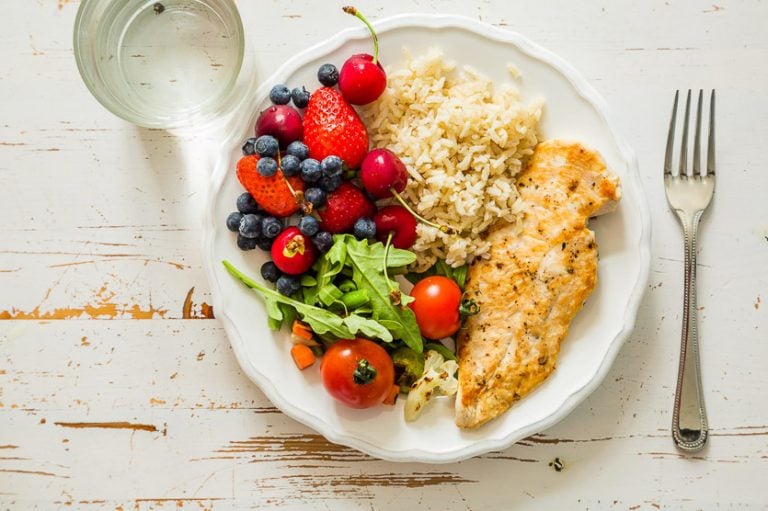
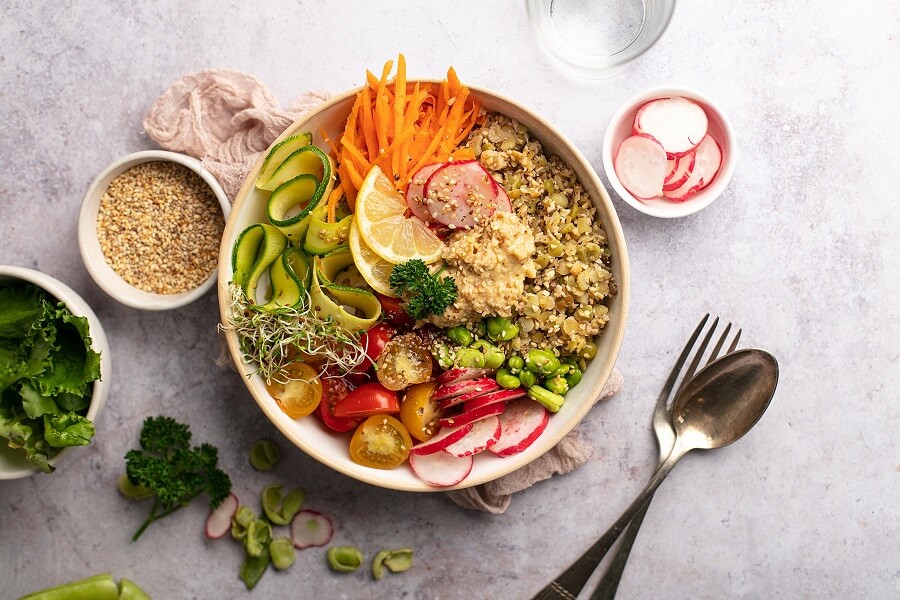
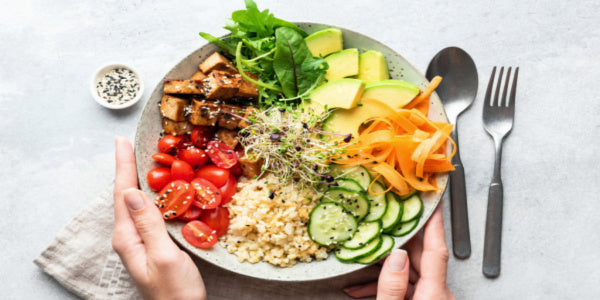
Nutrient-dense foods include vegetables, fruits, lean proteins, whole grains, and healthy fats. These foods are rich in vitamins, minerals, and antioxidants, which are essential for overall health. For instance, a salad with leafy greens, grilled chicken, avocado, and a sprinkle of nuts offers a well-rounded meal with plenty of nutrients but relatively few calories.
How to Incorporate More Nutrient-Dense Foods
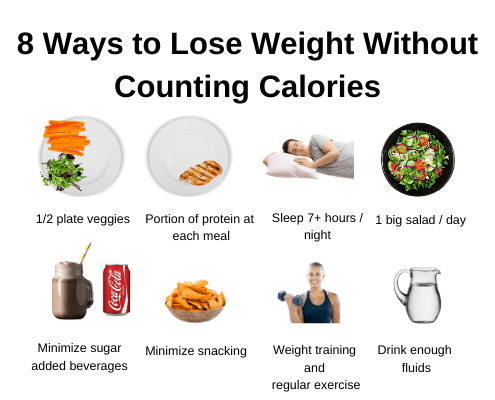
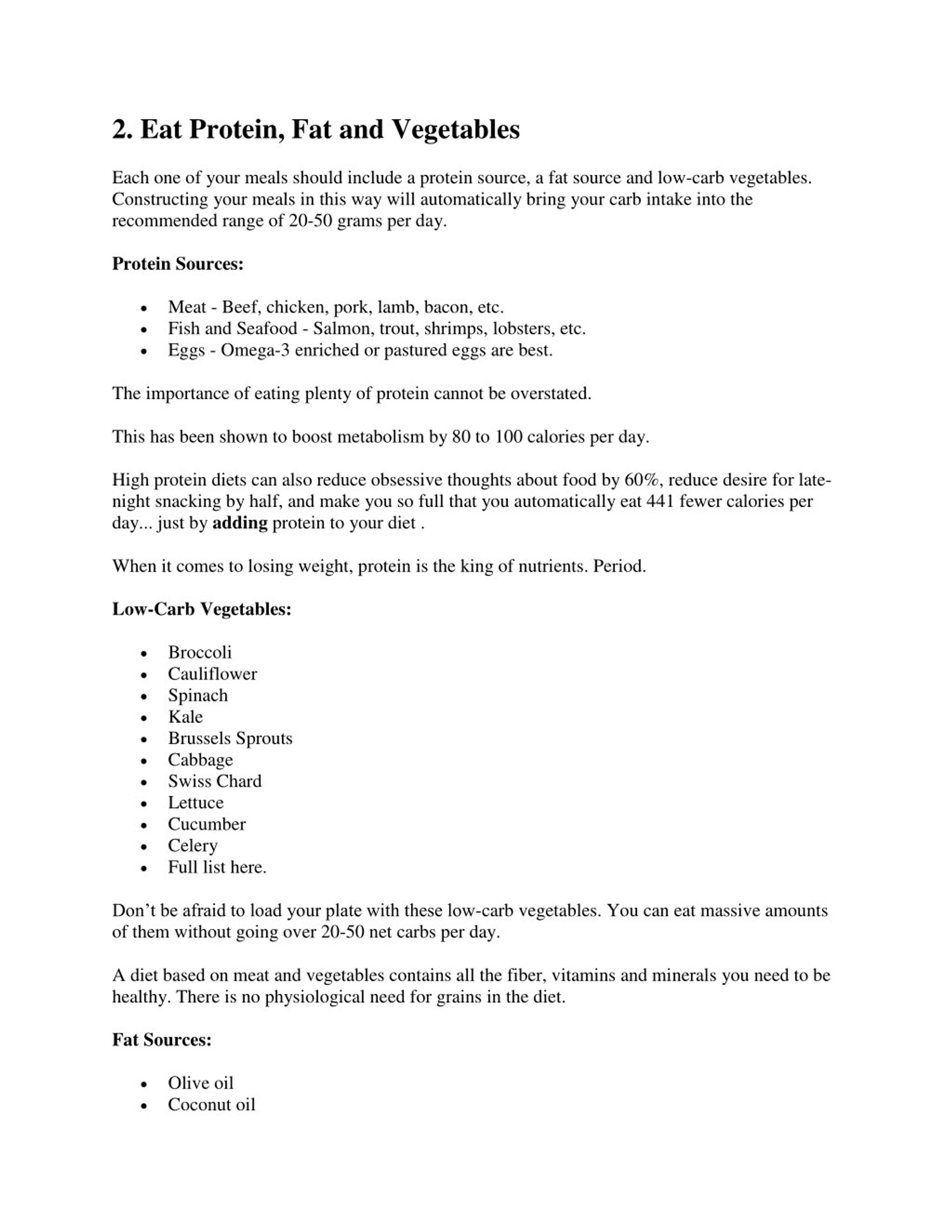
Make a habit of filling half your plate with vegetables at each meal. Choose whole foods over processed options whenever possible, and opt for lean proteins like chicken, fish, and legumes. By focusing on nutrient-dense foods, you’ll naturally reduce your calorie intake without having to track every bite.
Practice Mindful Eating
Tune Into Your Body’s Hunger and Fullness Cues
Mindful eating is a powerful tool for weight loss that doesn’t require calorie counting. It involves paying attention to what, when, and how you eat, allowing you to make more conscious food choices. By being mindful of your body’s hunger and fullness signals, you can avoid overeating and make healthier decisions.
The Benefits of Mindful Eating
Mindful eating helps you develop a better relationship with food by encouraging you to slow down and savor each bite. It can also reduce emotional eating, as you become more aware of the difference between physical hunger and emotional triggers.
Tips for Practicing Mindful Eating
Start by eliminating distractions during meals—no TV, phones, or computers. Chew your food slowly and thoroughly, and pause between bites to assess your hunger level. Aim to stop eating when you’re about 80% full, giving your body time to signal that it’s satisfied.
Control Portions Without Measuring
Simple Tricks for Eating the Right Amount
Portion control is key to losing weight without counting calories, but you don’t need a food scale or measuring cups to do it. By using simple visual cues and practical strategies, you can manage your portion sizes naturally.
Portion Control Tips
One of the easiest ways to control portions is to use smaller plates and bowls. This simple trick can make your meals look more substantial, helping you feel satisfied with less food. Another tip is to fill half your plate with vegetables, a quarter with lean protein, and a quarter with whole grains or starchy vegetables. This balanced plate method ensures you’re getting the nutrients you need without overloading on calories.
Mindful Portion Control Techniques
Pay attention to serving sizes when eating packaged foods, and avoid eating straight from the package. Serve yourself a portion, then put the rest away to prevent mindless snacking. When dining out, consider sharing a dish or packing half of it to go before you start eating. These strategies make it easier to control portions without feeling deprived.
Prioritize Protein and Fiber
Stay Full and Satisfied with the Right Nutrients
Protein and fiber are two nutrients that can help you feel full and satisfied, making it easier to lose weight without counting calories. Protein supports muscle growth and repair, while fiber aids digestion and helps regulate blood sugar levels. Both nutrients take longer to digest, keeping you full for longer and reducing the urge to snack.
How Protein and Fiber Support Weight Loss
High-protein foods like eggs, chicken, fish, and beans can help curb cravings and reduce appetite. Meanwhile, fiber-rich foods like vegetables, fruits, whole grains, and legumes add bulk to your meals, helping you feel fuller on fewer calories. By prioritizing these nutrients, you can naturally reduce your overall calorie intake without the need for tracking.
Incorporating Protein and Fiber into Your Diet
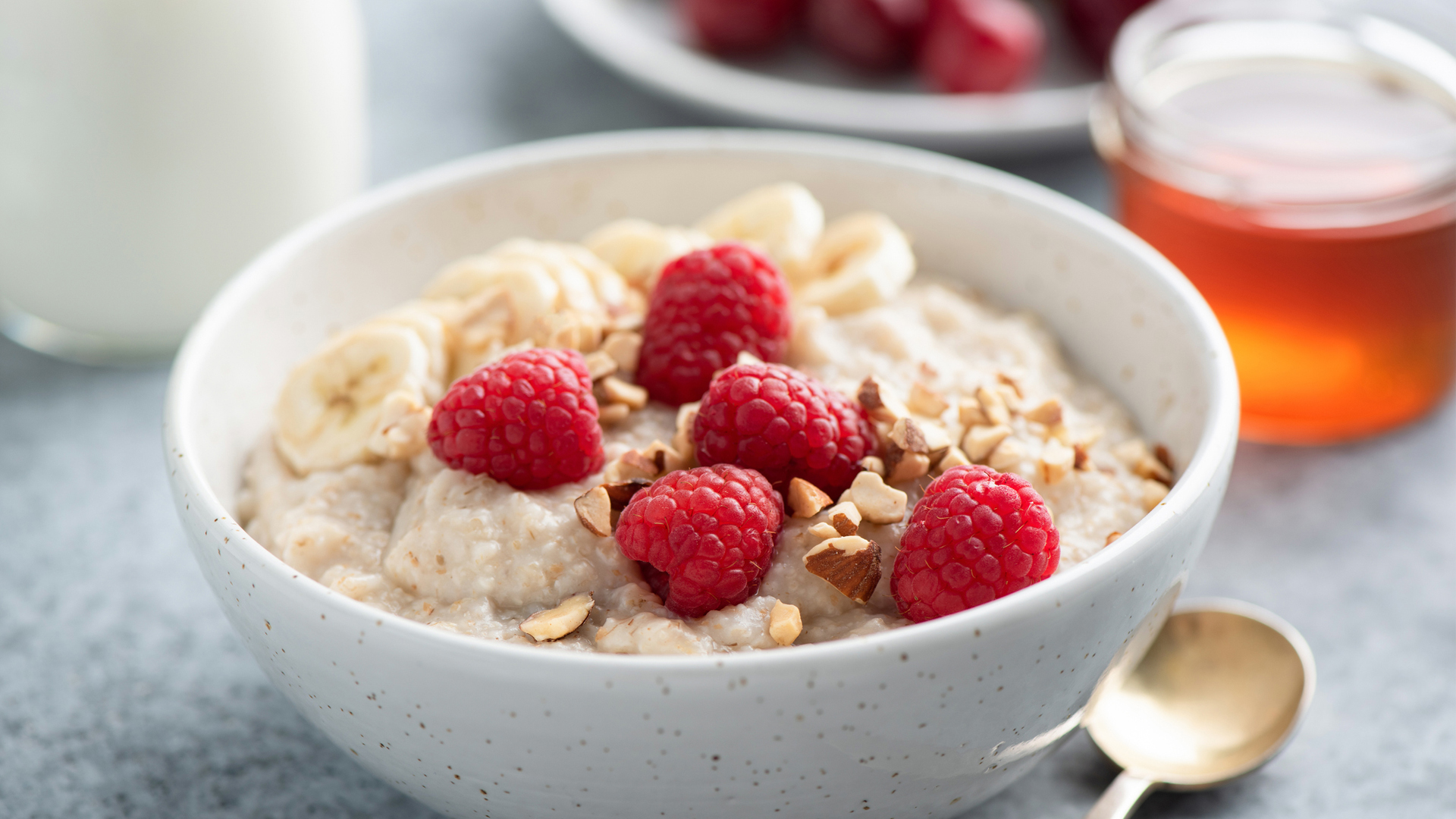
Start your day with a protein-rich breakfast, such as eggs or Greek yogurt with fruit. Include a source of protein and fiber at each meal—think grilled chicken with a side of steamed broccoli and quinoa. Snack on fiber-rich options like apple slices with almond butter or a handful of mixed nuts. By focusing on protein and fiber, you’ll stay satisfied between meals, making it easier to resist unhealthy temptations.
Stay Hydrated Throughout the Day
Drink Water to Support Weight Loss
Staying hydrated is crucial for overall health and can play a significant role in weight loss. Often, thirst is mistaken for hunger, leading to unnecessary snacking. By drinking enough water throughout the day, you can prevent overeating and support your body’s natural fat-burning processes.
Why Hydration Matters for Weight Loss
Water helps regulate your body’s temperature, aids digestion, and flushes out toxins. It also plays a role in metabolism, helping your body convert food into energy more efficiently. Drinking water before meals can also reduce appetite, leading to lower calorie intake.
How to Stay Hydrated
Aim to drink at least 8-10 glasses of water a day. Carry a reusable water bottle with you to make it easier to sip throughout the day. If you find plain water boring, try infusing it with slices of lemon, cucumber, or mint for a refreshing twist. Additionally, opt for water-rich foods like cucumbers, melons, and oranges, which can help keep you hydrated while providing essential nutrients.
Get Enough Sleep
Rest Well to Support Your Weight Loss Goals
Sleep is often overlooked when it comes to weight loss, but it’s a critical factor in achieving and maintaining a healthy weight. Poor sleep can disrupt hormones that regulate hunger, leading to increased cravings and overeating. By prioritizing quality sleep, you can support your body’s natural weight loss processes without needing to count calories.
The Link Between Sleep and Weight Loss
When you don’t get enough sleep, your body produces more ghrelin, the hormone that stimulates appetite, and less leptin, the hormone that signals fullness. This imbalance can make you feel hungrier and less satisfied after eating, leading to weight gain. Additionally, lack of sleep can increase stress levels, which may contribute to emotional eating.
Tips for Better Sleep
Create a relaxing bedtime routine to help you wind down at the end of the day. Avoid caffeine and heavy meals in the evening, as they can interfere with sleep. Keep your bedroom cool, dark, and quiet to create an ideal sleeping environment. Aim for 7-9 hours of quality sleep each night to support your weight loss efforts.
FAQs: How to Lose Weight Without Counting Calories
Can I really lose weight without counting calories? Yes, by focusing on healthy habits like mindful eating, portion control, and prioritizing nutrient-dense foods, you can lose weight without counting calories.
What are nutrient-dense foods? Nutrient-dense foods are rich in vitamins, minerals, and other essential nutrients but low in calories. Examples include vegetables, fruits, lean proteins, and whole grains.
How does mindful eating help with weight loss? Mindful eating helps you become more aware of your hunger and fullness cues, reducing overeating and promoting healthier food choices.
What are some high-protein foods that can help with weight loss? High-protein foods include eggs, chicken, fish, beans, and Greek yogurt. These foods help you feel full and reduce cravings.
How much water should I drink to support weight loss? Aim for at least 8-10 glasses of water a day. Staying hydrated helps control appetite and supports your body’s natural fat-burning processes.
Is portion control important for weight loss? Yes, controlling portion sizes helps you manage calorie intake without the need for strict calorie counting.
Can poor sleep affect my weight loss progress? Yes, poor sleep can disrupt hormones that regulate hunger and fullness, leading to increased appetite and cravings.
How can I practice mindful eating if I’m always busy? Start by eliminating distractions during meals and focusing on the taste, texture, and aroma of your food. Even small steps can make a big difference.
What are some fiber-rich foods that support weight loss? Fiber-rich foods include vegetables, fruits, whole grains, and legumes. These foods help you feel full and regulate digestion.
Can I still eat my favorite foods without counting calories? Yes, by practicing portion control and mindful eating, you can enjoy your favorite foods in moderation without derailing your weight loss efforts.

 474×474
lose weight counting calories
474×474
lose weight counting calories
 768×511
lose weight counting calories stephanie kay nutrition
768×511
lose weight counting calories stephanie kay nutrition
 1024×1024
lose weight counting calories build
1024×1024
lose weight counting calories build
 900×600
easy ways lose weight counting calories nutritionustad
900×600
easy ways lose weight counting calories nutritionustad
 1600×1080
lose weight counting calories top ways
1600×1080
lose weight counting calories top ways
 1080×1080
count calories comprehensive guide ihsanpedia
1080×1080
count calories comprehensive guide ihsanpedia
 800×450
lose weight counting calories senior fitness
800×450
lose weight counting calories senior fitness
 600×600
lose weight counting calories belly shrinkers
600×600
lose weight counting calories belly shrinkers
 600×300
ways lose weight counting calories bistromd
600×300
ways lose weight counting calories bistromd
 683×1024
lose weight counting calories opalstacie
683×1024
lose weight counting calories opalstacie
 736×491
lose weight counting calories fitneass
736×491
lose weight counting calories fitneass
 1024×576
tips lose weight counting calories
1024×576
tips lose weight counting calories
 1920×1080
ways lose weight counting calories mind pump media
1920×1080
ways lose weight counting calories mind pump media
 1000×667
lose weight counting calories rachel trotta cptfns
1000×667
lose weight counting calories rachel trotta cptfns
 800×419
lose weight counting calories lifexcel carolina
800×419
lose weight counting calories lifexcel carolina
 1920×1080
lose weight counting calories fitwell
1920×1080
lose weight counting calories fitwell
 1079×818
tips lose weight counting calories caitlins table
1079×818
tips lose weight counting calories caitlins table
 720×1280
simple tips lose weight counting calories
720×1280
simple tips lose weight counting calories
.jpg) 940×788
lose weight counting calories simply holistic wellness
940×788
lose weight counting calories simply holistic wellness
 1200×675
lose weight counting calories ultimate guide
1200×675
lose weight counting calories ultimate guide
 1400×930
lose weight counting caloriesn born tough
600×600
lose weight counting calories refreshing approach healthy
1400×930
lose weight counting caloriesn born tough
600×600
lose weight counting calories refreshing approach healthy
 630×1092
strategies lose weight counting calories infographic
630×1092
strategies lose weight counting calories infographic
 495×400
ways lose weight counting calories overhaul fitness
495×400
ways lose weight counting calories overhaul fitness
 600×400
lose weight counting calories fitomorphcom fitness
600×400
lose weight counting calories fitomorphcom fitness
 600×400
tired counting calories heres dont
600×400
tired counting calories heres dont
 1280×720
steps lose weight counting calories
1280×720
steps lose weight counting calories
 1200×750
counting calories lose weight
1200×750
counting calories lose weight
 800×800
lose weight counting calories girl bliss
800×800
lose weight counting calories girl bliss
 Pin on How To Lose Weight Fast
 Fast And Easy Way To Lose Weight Without Exercise | White Crane Institute
 How to lose weight without lose your mind.docx
 ≫ How to Lose Weight without Losing your Mind Free Essay Sample on
 Eliminate negative thoughts and lose weight
Eliminate negative thoughts and lose weight
 Blog: HOW TO LOSE WEIGHT WITHOUT DIET
 How To Really Lose Weight Fast - Hudson County View
 Pinterest
 Who To Lose Weight Fast Without Exercise - Hudson County View
 Calaméo - Lose weight and get a slim body!
 Pin on Jars
 PPT - No Pain Weight Loss PowerPoint Presentation, free download - ID
 The Best Exercises To Lose Belly Fat Fast – The Forest Academy • TFA
 How to Lose Weight Without Dieting or Exercise. Over 250 Ways : Learn
 (PDF) How to lose weight at home without hitting the gym: Tested ways
 big mac calories without top bun
 10 tips to lose weight without sports or diet | PDF
10 tips to lose weight without sports or diet | PDF
 Pin on Weight Loss
 Calaméo - Now Lose Weight Quickly and Easily!
 loss weight without going to the gym.docx - loss weight without going
 What Is The Best Stomach Fat Burner | Micro-omics
 15 tips to lose weight and lose weight... without dieting! (1).pdf
15 tips to lose weight and lose weight... without dieting! (1).pdf
 How to Lose Weight When You Can’t Exercise | Fatty Liver Disease
 Calaméo - who to lose weight fast without exercise
 SOLUTION: Best ways to lose weight without fad diets that don't help
 Calaméo - Dieting chart for reducing weight loss in a week
 Ideal Way To Lose Weight Without Fad Diets That Don’t Help – target12buffer
 PPT - How to Lose Weight Fast: 3 Simple Steps, Based on Science
 Find Out How To Lose Weight Without Fuss by Bene James - Issuu
 PPT - How to Lose Weight without Diet Super Simple Steps PowerPoint
 How To Lose Weight Without Having To Starve Yourself.pdf
How To Lose Weight Without Having To Starve Yourself.pdf
 big mac calories without top bun
 Eliminate negative thoughts and lose weight
Eliminate negative thoughts and lose weight
 Can You Lose Weight Without Intermittent Fasting - ECPTOTE Website
 Anime About Losing Weight


0 komentar:
Posting Komentar