

Weight Loss Tips for Women Over 40: A Beginner's Guide
As women age, losing weight can become more challenging due to changes in metabolism, hormones, and lifestyle. However, with the right approach, it’s entirely possible to achieve and maintain a healthy weight. This guide is designed to provide practical tips tailored specifically for women over 40, helping you navigate the unique challenges that come with this stage of life. Whether you're just starting your weight loss journey or looking to refine your approach, these strategies can make a significant difference.
1. Understanding the Impact of Hormonal Changes
How Hormones Influence Weight Gain After 40
One of the most significant factors affecting weight loss in women over 40 is hormonal changes, particularly those related to menopause. As estrogen levels decline, women may experience an increase in abdominal fat and a slower metabolism. These changes can make it harder to lose weight, even if you're eating the same foods and exercising as before.
Understanding how hormones affect your body is crucial for developing an effective weight loss plan. While you can't completely control hormonal changes, you can adopt strategies to manage their impact. For example, focusing on a balanced diet, regular exercise, and stress management can help mitigate the effects of hormonal fluctuations on your weight.
2. Revamping Your Diet: Focus on Nutrient-Dense Foods
Why Eating Smart Is More Important Than Eating Less
As metabolism slows with age, it's essential to make every calorie count by focusing on nutrient-dense foods. Instead of cutting calories drastically, which can lead to muscle loss and further slow your metabolism, focus on eating a balanced diet rich in whole foods. This includes plenty of vegetables, fruits, lean proteins, whole grains, and healthy fats.
Nutrient-dense foods provide the vitamins, minerals, and other nutrients your body needs to function optimally while keeping you full and satisfied. Avoid highly processed foods, sugary snacks, and empty calories that can contribute to weight gain and health issues. Eating smaller, more frequent meals can also help stabilize blood sugar levels and keep your metabolism active throughout the day.
3. Incorporate Strength Training Into Your Fitness Routine
Building Muscle to Boost Your Metabolism and Burn Fat
Strength training is a crucial component of any weight loss plan for women over 40. As you age, you naturally lose muscle mass, which can slow down your metabolism and make it harder to lose weight. By incorporating strength training exercises into your routine, you can build and maintain muscle, which helps increase your resting metabolic rate.
Strength training doesn’t mean you have to lift heavy weights—bodyweight exercises, resistance bands, and light weights can all be effective. Aim to strength train at least two to three times a week, focusing on all major muscle groups. Not only will this help you lose weight, but it will also improve bone density, balance, and overall strength, reducing the risk of injury.
4. Prioritize Cardiovascular Exercise for Heart Health and Calorie Burning
How Cardio Can Help You Shed Pounds and Stay Healthy
Cardiovascular exercise, or cardio, is essential for burning calories and improving heart health. As women age, heart health becomes increasingly important, and regular cardio exercise can help maintain a healthy heart while also aiding in weight loss. Activities like walking, jogging, cycling, swimming, or dancing can all be effective forms of cardio.
Aim for at least 150 minutes of moderate-intensity cardio per week, or 75 minutes of vigorous-intensity cardio, spread across several days. Mixing up your routine with different types of cardio can keep things interesting and prevent boredom. Additionally, interval training, which alternates between periods of high-intensity and low-intensity exercise, can be particularly effective for burning calories and improving fitness.
5. Manage Stress to Support Weight Loss
The Connection Between Stress, Cortisol, and Weight Gain
Stress is a significant factor that can contribute to weight gain, especially for women over 40. When you're stressed, your body produces cortisol, a hormone that can increase appetite and lead to fat storage, particularly in the abdominal area. Chronic stress can also lead to emotional eating and other unhealthy habits that hinder weight loss.
To support your weight loss efforts, it's important to find ways to manage and reduce stress. Techniques such as yoga, meditation, deep breathing exercises, and spending time in nature can help lower cortisol levels and promote relaxation. Additionally, ensuring you have a strong support system and taking time for self-care can make a big difference in managing stress.
6. Get Adequate Sleep to Support Metabolism and Weight Loss
Why Quality Sleep Is Essential for Losing Weight
Sleep is often overlooked but is a critical component of weight loss, particularly for women over 40. Poor sleep can disrupt hormones that regulate hunger and appetite, such as ghrelin and leptin, leading to increased cravings and overeating. Additionally, lack of sleep can slow down your metabolism and make it harder to lose weight.
Aim for 7-9 hours of quality sleep each night to support your weight loss goals. Establish a regular sleep schedule, create a restful sleep environment, and avoid caffeine and screens before bed to improve sleep quality. If you're struggling with sleep, consider talking to a healthcare provider to address any underlying issues.
7. Stay Hydrated: Water's Role in Weight Loss
How Drinking Enough Water Can Help You Lose Weight
Staying hydrated is essential for overall health and can also support weight loss. Water helps regulate your metabolism, aids in digestion, and can help control hunger by making you feel fuller. Often, thirst is mistaken for hunger, leading to unnecessary snacking.
Drinking water before meals can help reduce calorie intake, and choosing water over sugary drinks can significantly cut down on excess calories. Aim to drink at least 8 cups (2 liters) of water a day, and more if you're physically active. Adding a slice of lemon or cucumber to your water can make it more enjoyable and encourage you to drink more.
8. Be Patient and Consistent
Why Sustainable Weight Loss Takes Time
Weight loss, especially after 40, is not a quick fix. It's a journey that requires patience, consistency, and a focus on long-term health rather than short-term results. It’s important to set realistic goals and celebrate small victories along the way.
Instead of focusing solely on the number on the scale, pay attention to how your clothes fit, how you feel, and improvements in your overall health and fitness. By consistently applying the tips in this guide, you'll be on your way to achieving and maintaining a healthy weight in a sustainable way.
FAQs
1. Why is it harder to lose weight after 40?
Hormonal changes, a slower metabolism, and lifestyle factors can make weight loss more challenging after 40. However, with the right approach, it’s still possible to lose weight and stay healthy.
2. How often should I exercise to lose weight after 40?
Aim for at least 150 minutes of moderate-intensity cardio per week, along with two to three strength training sessions to build muscle and boost metabolism.
3. What types of foods should I focus on for weight loss?
Focus on nutrient-dense foods like vegetables, fruits, lean proteins, whole grains, and healthy fats. Avoid highly processed foods and sugary snacks.
4. Can stress really cause weight gain?
Yes, chronic stress can lead to increased cortisol levels, which can promote fat storage, particularly in the abdominal area, and contribute to weight gain.
5. How does strength training help with weight loss?
Strength training helps build and maintain muscle mass, which increases your resting metabolic rate and helps you burn more calories even at rest.
6. Is it normal for weight loss to be slower after 40?
Yes, weight loss can be slower due to hormonal changes and a slower metabolism. However, consistent effort can still lead to successful and sustainable weight loss.
7. How much sleep do I need to support weight loss?
Aim for 7-9 hours of quality sleep per night. Good sleep helps regulate hunger hormones and supports a healthy metabolism.
8. Should I drink more water if I’m trying to lose weight?
Yes, staying hydrated supports metabolism and can help control hunger. Drinking water before meals can also reduce calorie intake.
9. Are there specific exercises I should avoid after 40?
While most exercises are safe, it's important to listen to your body and modify exercises as needed to avoid injury. Focus on low-impact activities if you have joint concerns.
10. How long will it take to see weight loss results?
Results vary, but with consistent effort, you may start to see changes in a few weeks. Remember that sustainable weight loss is a gradual process.
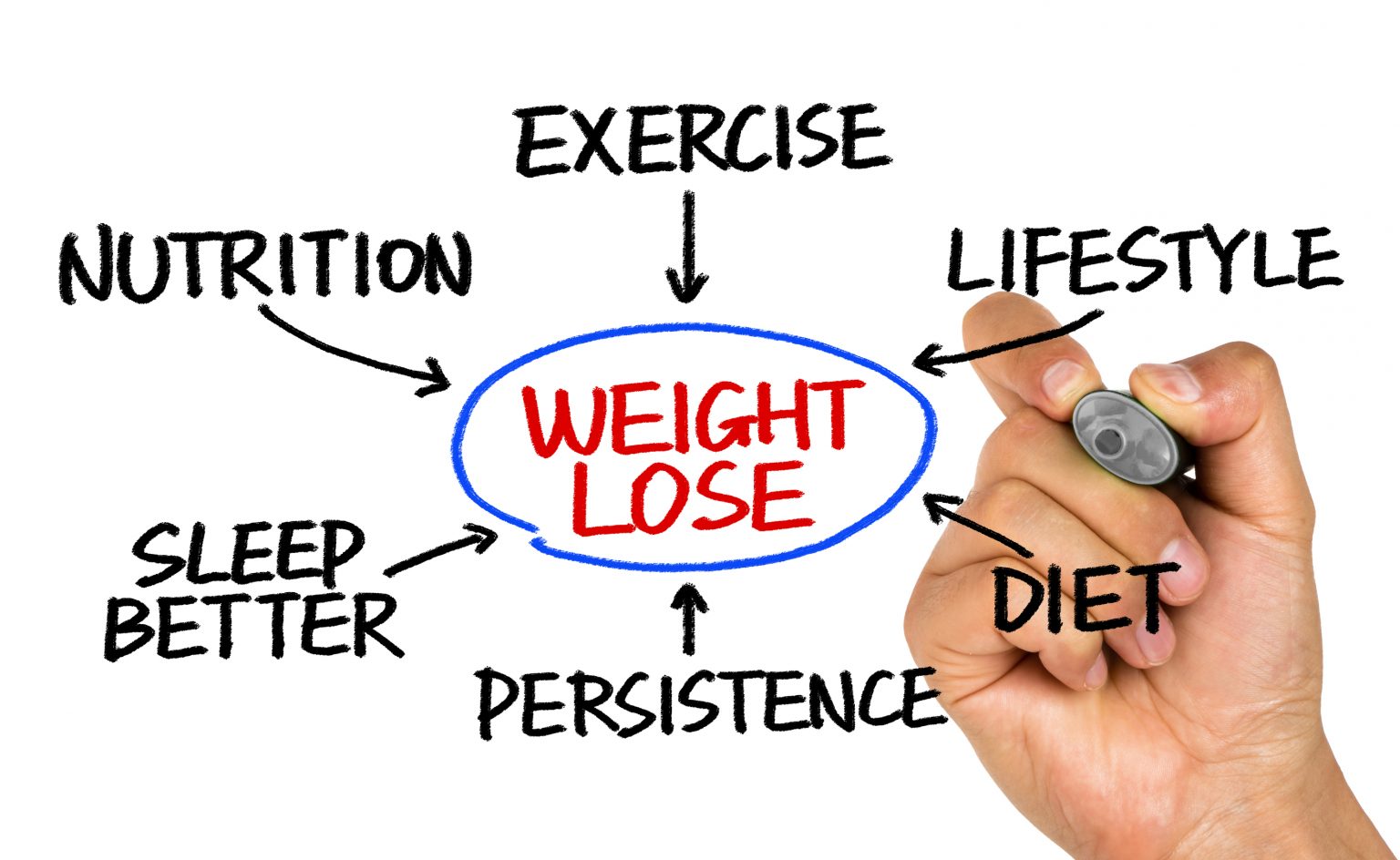
This guide provides practical and effective strategies for women over 40 to lose weight and maintain a healthy lifestyle. By focusing on a balanced diet, regular exercise, stress management, and adequate sleep, you'll be well on your way to achieving your weight loss goals.

 809×1024
weight loss tips women makeup mature skin
809×1024
weight loss tips women makeup mature skin
 1366×2048
top weight loss tips women sippy cup mom
1366×2048
top weight loss tips women sippy cup mom
 564×1128
pin weight loss tips women
564×1128
pin weight loss tips women
 736×753
weight loss women super simple tips allbeige
736×753
weight loss women super simple tips allbeige
 735×1902
weight loss guide women habits helped lose
735×1902
weight loss guide women habits helped lose
 1024×1024
weight loss tips women solutions weight loss
1024×1024
weight loss tips women solutions weight loss
 1120×1600
lose weight tips women weightloss
791×1024
weight loss women simple today
1120×1600
lose weight tips women weightloss
791×1024
weight loss women simple today
 600×900
tips weight loss women spices greens
600×900
tips weight loss women spices greens
 556×1369
weight loss fitness lifestyle tips men women weight loss
556×1369
weight loss fitness lifestyle tips men women weight loss
 564×1128
weight loss quickly weight loss tips women
564×1128
weight loss quickly weight loss tips women
 320×640
irene pink healthy weight loss tips women
320×640
irene pink healthy weight loss tips women
 873×1223
pin weight loss women
873×1223
pin weight loss women
 6250×10380
weight loss tips women healthstatus
6250×10380
weight loss tips women healthstatus
 474×367
weight loss tips women find health tips
474×367
weight loss tips women find health tips
 564×1002
weight loss habits women healthy body healthy mind
564×1002
weight loss habits women healthy body healthy mind
 750×1400
surprising weight loss tips women weight loss plan
750×1400
surprising weight loss tips women weight loss plan
 735×1102
femme fitale fit club bloghealthy weight loss tips women
735×1102
femme fitale fit club bloghealthy weight loss tips women
 1536×944
weight loss tips women
1536×944
weight loss tips women
 750×2000
pin fitness health
750×2000
pin fitness health
 638×826
weight loss tips women weightloss
638×826
weight loss tips women weightloss
 736×1385
pin womens weight loss
736×1385
pin womens weight loss
 Pin on Weight loss Tips
 weight journal | Weight loss journal! Free printable :) – CHOOSE FIT
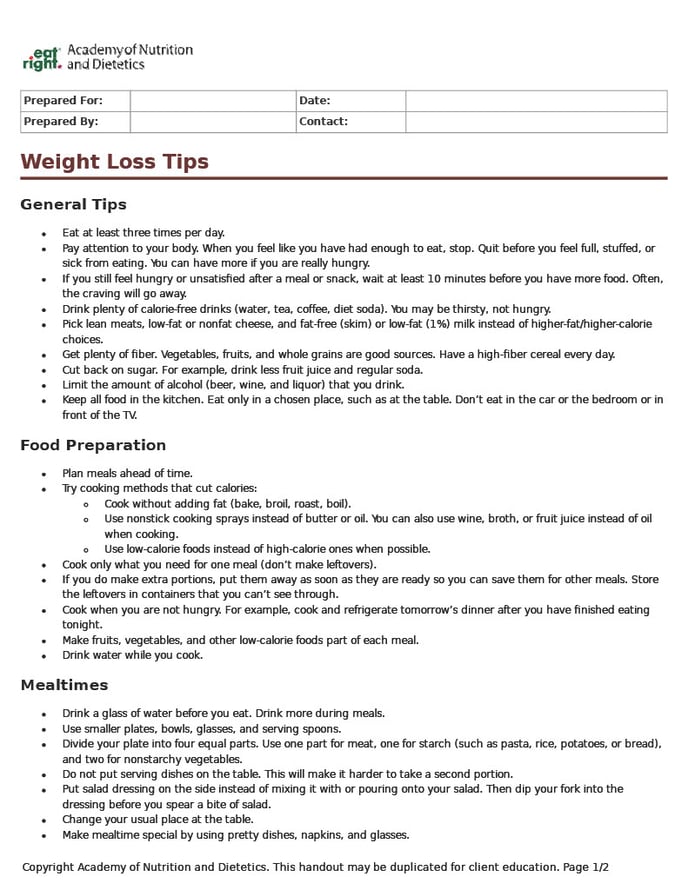
 Weight Loss Tips.docx
 Here Are Some Great Weight Loss Tips
Here Are Some Great Weight Loss Tips
 Femme Fitale Fit Club Blog7 Proven Weight Loss Tips For Women Who Weigh
 Best Diets To Lose Weight Fast, Quick Weight Loss Diet, Lose Weight In
 Motivation Diet, Weight Loss Motivation Quotes, Weight Loss Program
 http://Myskinnygirls.tumblr.com/tip 12 Effective Health and Fitness
 Pin on Weight loss metabolism
 Simple Weight Loss Tips To Try This Year – Moments With Mandi
 Weight Loss Diet For Indians From Sapna Vyas Patel
 Pin on daring, bold, beautiful
 7 day gym workout plan for weight loss free pdf – Artofit
 Pin on Workin on my fitness
 Pin on Weight Loss Tips & Thoughts
 Pin on Printables - Health & Fitness
 Laxative Tea Weight Loss | White Crane Institute
 PPT - 894-weight-loss-tips-that-work PowerPoint Presentation, free
 #FastestWayToLoseWeightIn2Weeks Quick Weight Loss Tips, Weight Loss
 12 simple ways to lose 20 pounds in 14 days. | Salud y fitness, Salud y
 Beautiful Women Over 40, Heroines, Housewife, Sonia, Telugu, Mummy
 Womens Weight Loss Tips
 Pin on Women Weight Loss Tips
 Pinterest
 13 weight loss tips that will help you shed fat fast and get your into
 Best Weight Loss Plan, Quick Weight Loss Tips, Weight Loss Help, Weight
 Pin on Workout Motivation
 Pin on Workout
 Pin on Get Rid of Belly Fat
 Weight Loss Tips for Women Over 50 >>> To view further for this item, v…
 Pin on สมุดบันทึก
 Pin on X-SLIM FAT BURNER
 Pin on Pcos
 Weight Loss Tips
 Pin on Get Healthy:Stay Healthy


0 komentar:
Posting Komentar