

Intermittent fasting (IF) has gained popularity as a simple and effective method for weight loss. By focusing on when you eat rather than what you eat, intermittent fasting helps you shed pounds, boost metabolism, and improve overall health. Whether you're new to the concept or looking to refine your fasting strategy, this beginner's guide will provide you with everything you need to get started.
1. What Is Intermittent Fasting? Understanding the Basics
Intermittent fasting is not a diet but an eating pattern that cycles between periods of eating and fasting. Unlike traditional diets, intermittent fasting doesn't restrict what you eat but rather when you eat. This approach can be highly effective for weight loss, as it naturally reduces calorie intake and optimizes your body's fat-burning potential.
Types of Intermittent Fasting:
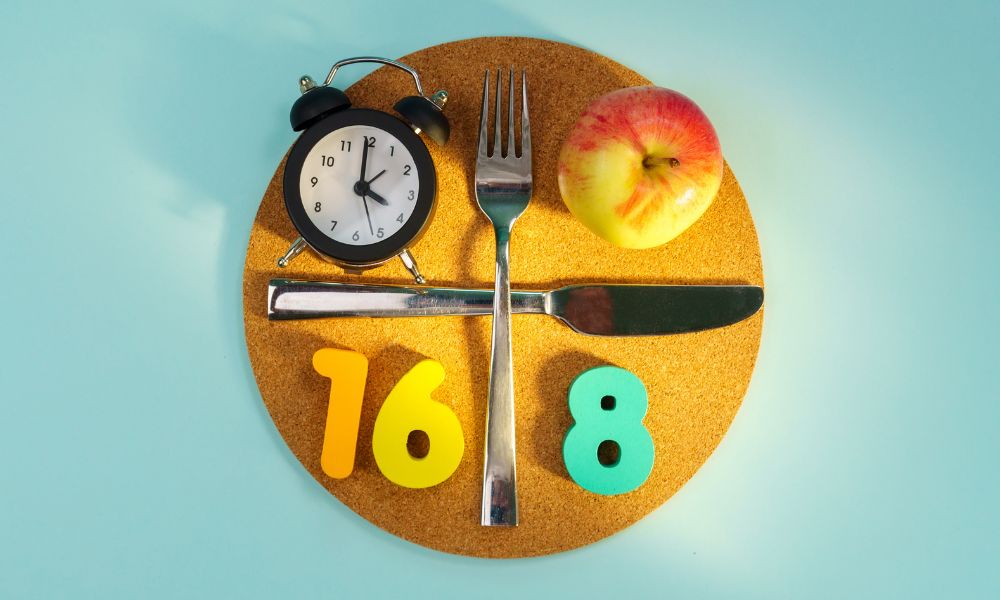
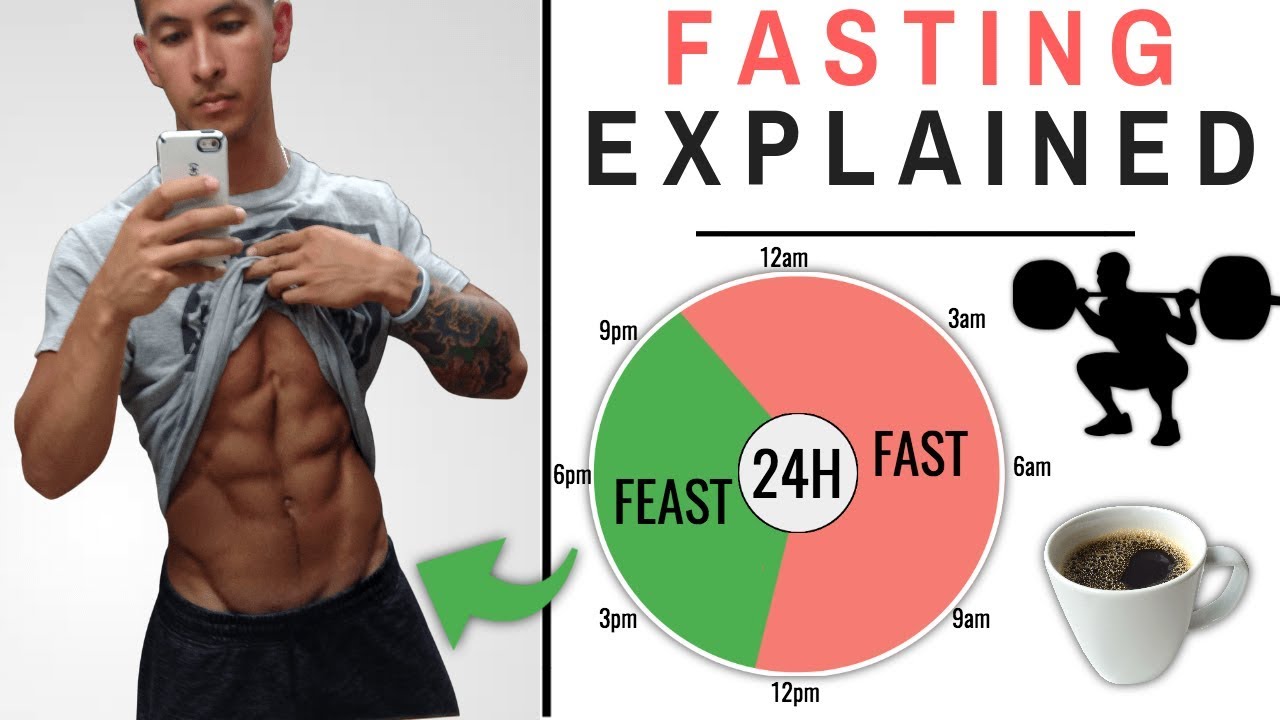
- 16/8 Method: Fast for 16 hours and eat during an 8-hour window.
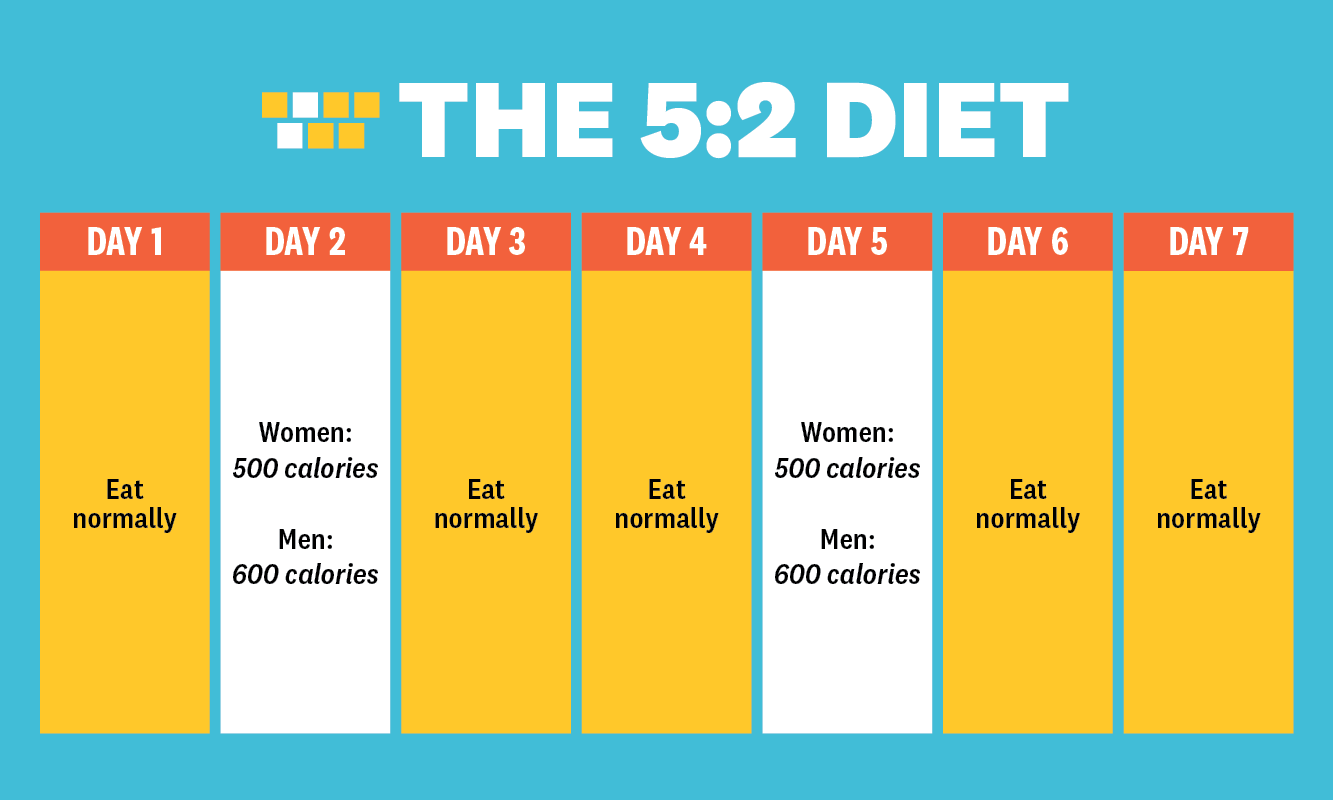
- 5:2 Diet: Eat normally for five days a week and restrict calories (500-600) on the other two days.
- Eat-Stop-Eat: Involve fasting for a full 24 hours once or twice a week.
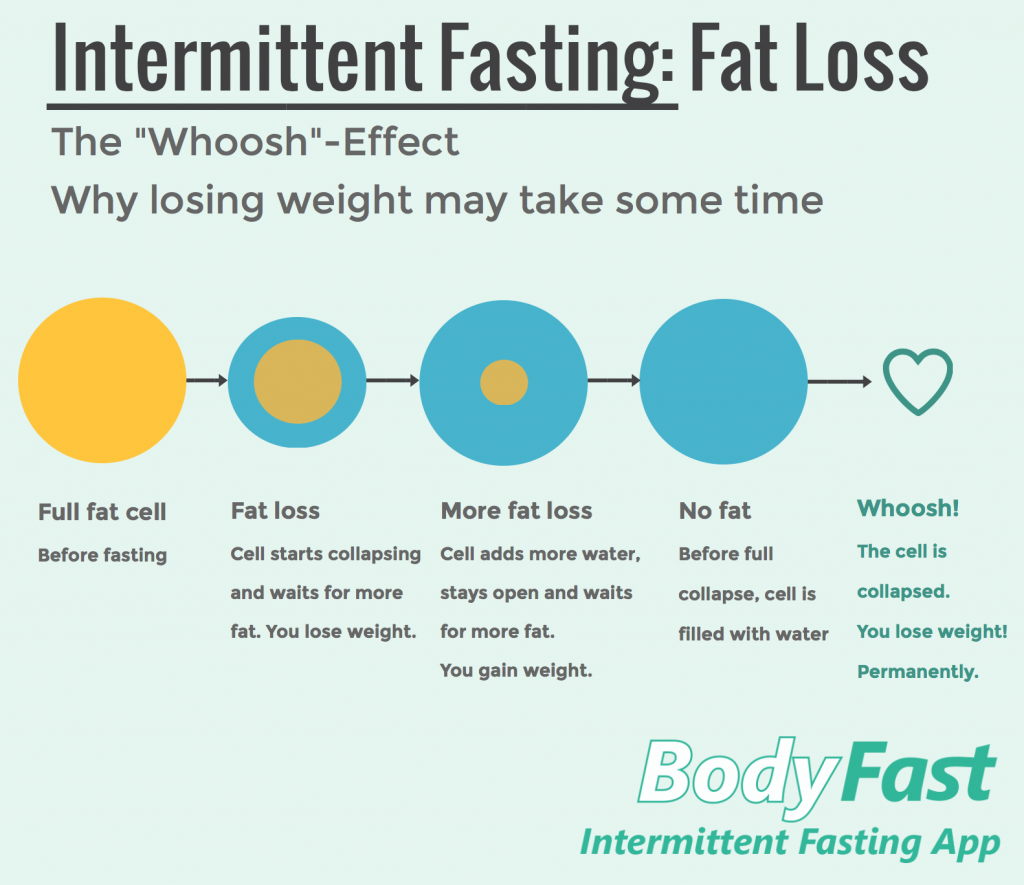
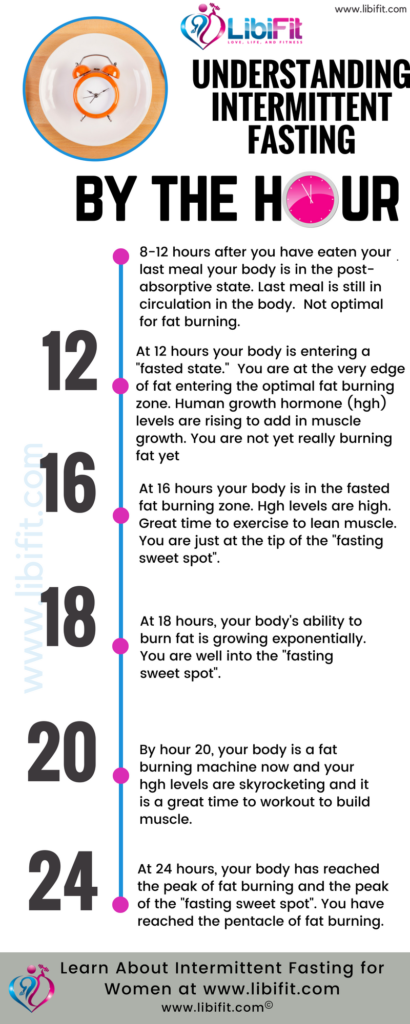
Why It Works: During fasting, insulin levels drop, allowing your body to burn stored fat for energy. This process, combined with a calorie deficit, promotes weight loss without requiring drastic dietary changes.
2. How Intermittent Fasting Aids Weight Loss: The Science Behind It
Intermittent fasting supports weight loss through several mechanisms, each working together to help you shed unwanted pounds.
Key Benefits for Weight Loss:
- Reduces Caloric Intake: By limiting the eating window, you naturally consume fewer calories without consciously restricting food.
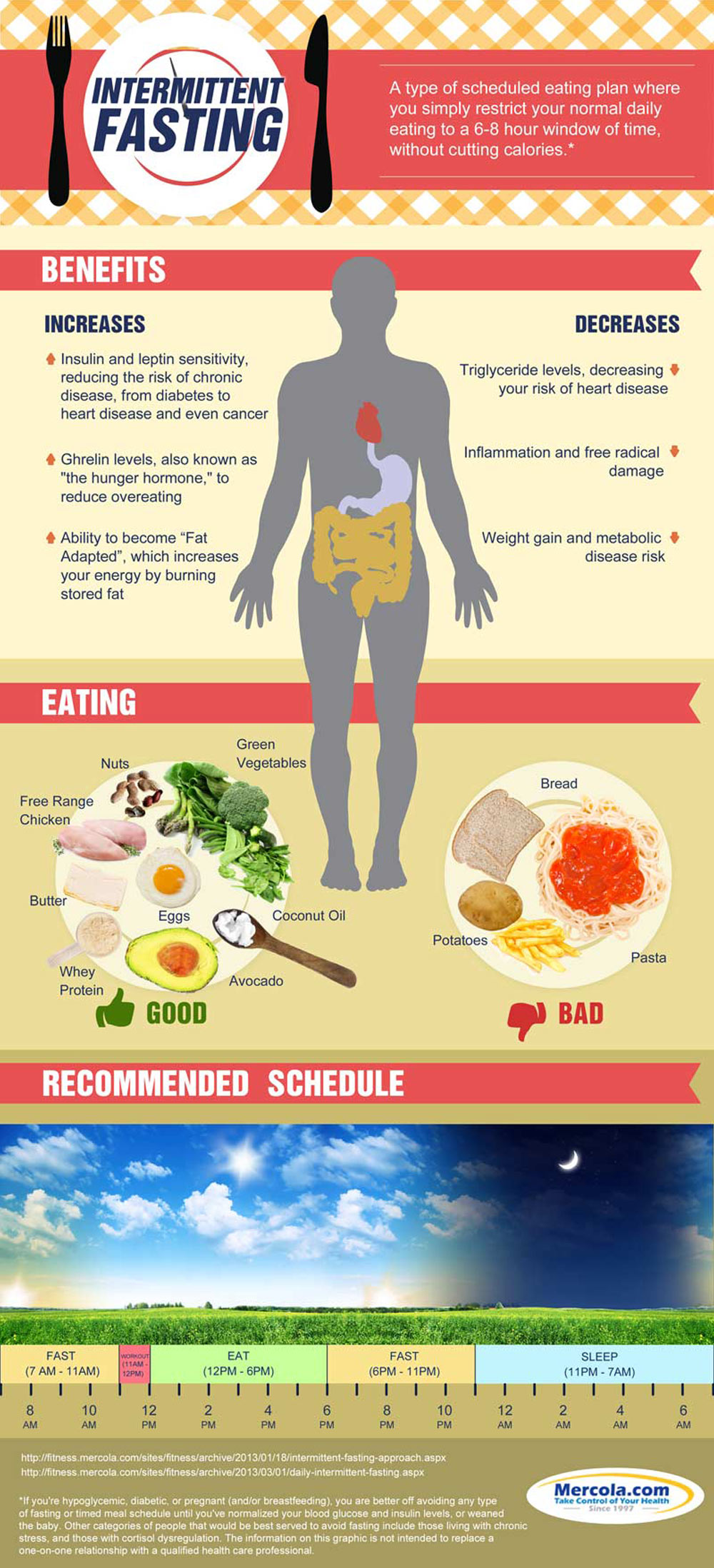
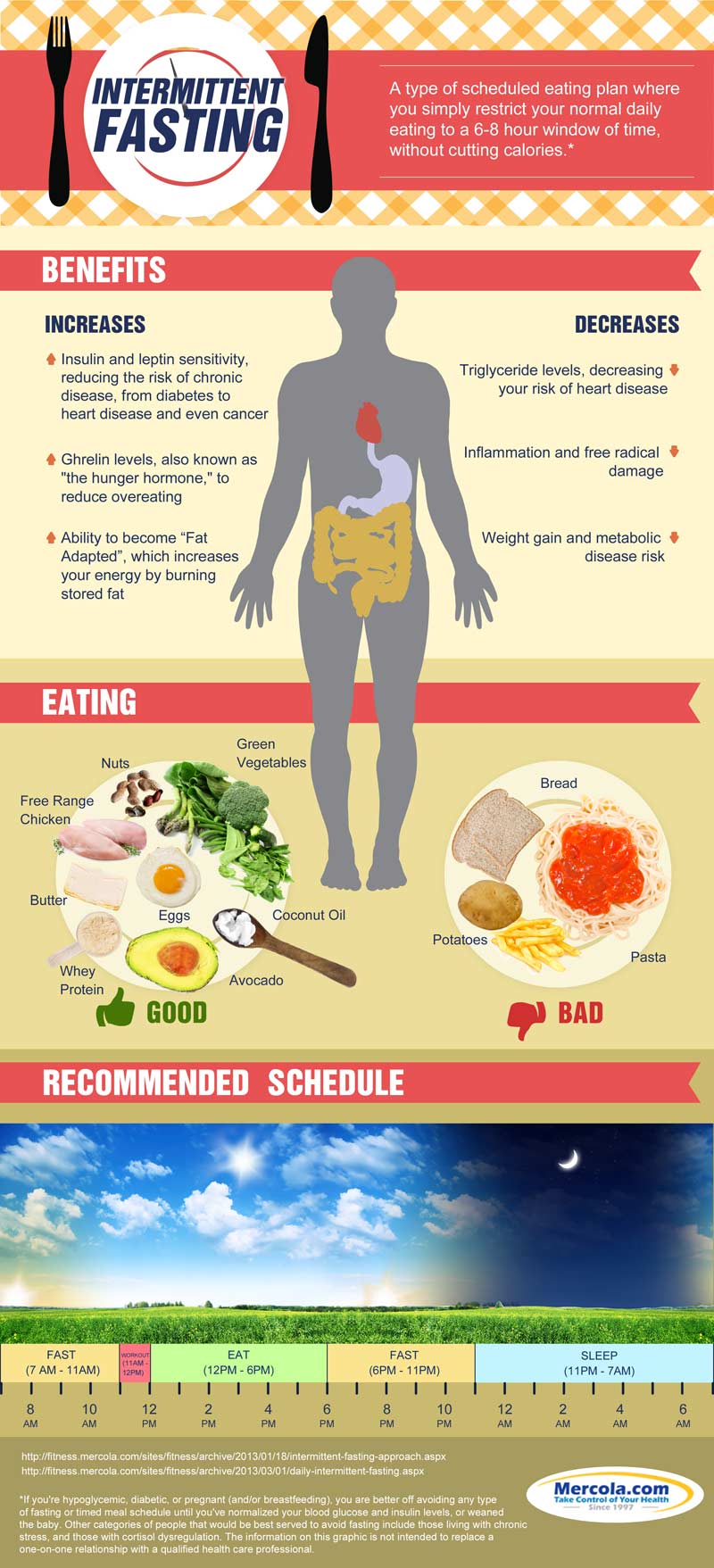
- Boosts Metabolism: Fasting increases norepinephrine levels, enhancing your metabolism and promoting fat burning.
- Enhances Fat Burning: Lower insulin levels during fasting encourage the body to use stored fat for energy.
Why It Works: The combination of reduced calorie intake, increased fat burning, and enhanced metabolism creates an environment conducive to weight loss, making intermittent fasting a powerful tool for achieving your goals.
3. Getting Started with Intermittent Fasting: Choosing Your Method
When beginning your intermittent fasting journey, selecting the right method is crucial. Each method offers unique benefits and challenges, so choose one that fits your lifestyle and preferences.
Popular Methods:
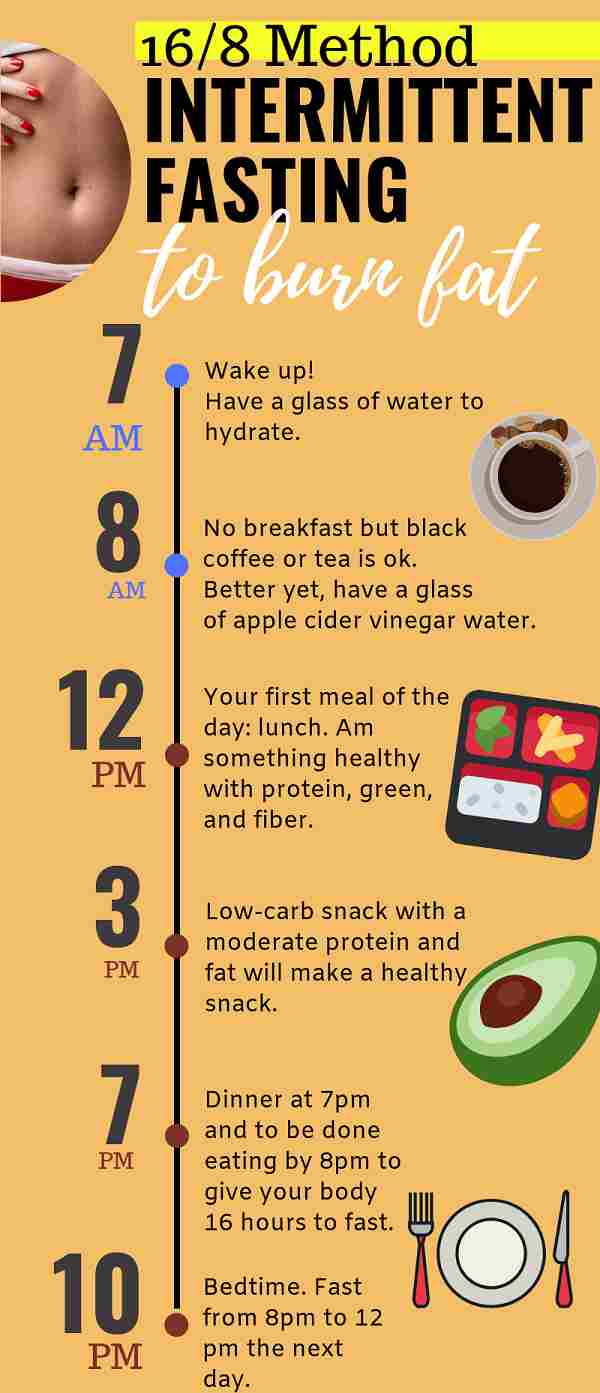
- 16/8 Method: Ideal for beginners, this method is easy to follow and fits well with most schedules. Simply skip breakfast, eat your first meal at noon, and your last meal by 8 PM.
- 5:2 Diet: This method is suitable for those who prefer more flexibility. Eat normally five days a week and restrict calories on the other two non-consecutive days.
- Alternate-Day Fasting: Involves alternating between regular eating days and fasting days where only about 500 calories are consumed.
Why It Works: Starting with a method that aligns with your lifestyle increases your chances of long-term success. Whether you prefer daily fasting or a more flexible approach, there’s a method that suits your needs.
4. Tips for Success: How to Make Intermittent Fasting Work for You
While intermittent fasting is simple, it’s not always easy. Here are some tips to help you stay on track and make the most of your fasting journey.
Helpful Tips:
- Start Slowly: Ease into fasting by gradually increasing the fasting window. This allows your body to adjust without causing discomfort.
- Stay Hydrated: Drink plenty of water, herbal tea, or black coffee during fasting periods to stay hydrated and reduce hunger.
- Focus on Nutrient-Dense Foods: When you do eat, choose whole, nutrient-dense foods that provide lasting energy and keep you full longer.
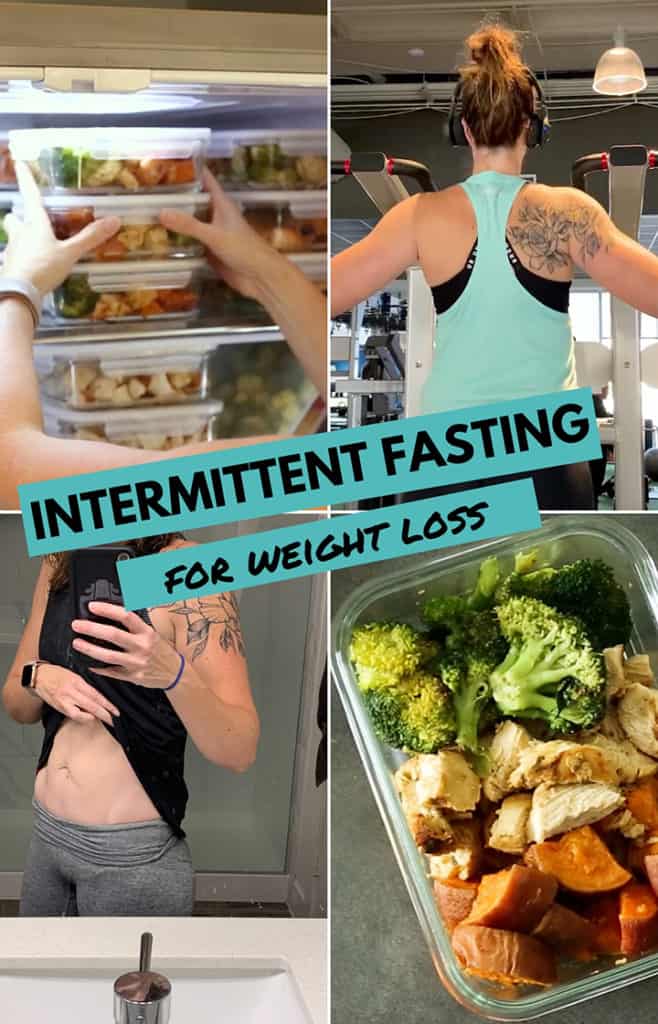
- Plan Your Meals: Prepping meals ahead of time helps you stick to your fasting schedule and avoid impulsive eating.
Why It Works: These tips help you build a sustainable fasting routine that fits into your daily life, making it easier to maintain and achieve your weight loss goals.
5. Common Pitfalls to Avoid: Staying on Track
Intermittent fasting is straightforward, but some common mistakes can derail your progress. Understanding these pitfalls can help you avoid them and stay on course.
Common Mistakes:
- Overeating During Eating Windows: It's tempting to overeat during the eating window, but this can negate the benefits of fasting.
- Inconsistent Fasting: Inconsistent fasting schedules can slow your progress. Consistency is key to seeing results.
- Ignoring Hunger Signals: While some hunger is expected, extreme hunger can lead to binge eating. Listen to your body and adjust as needed.
Why It Works: Avoiding these mistakes ensures that your fasting efforts translate into meaningful weight loss results. By staying mindful and consistent, you can achieve your goals more effectively.
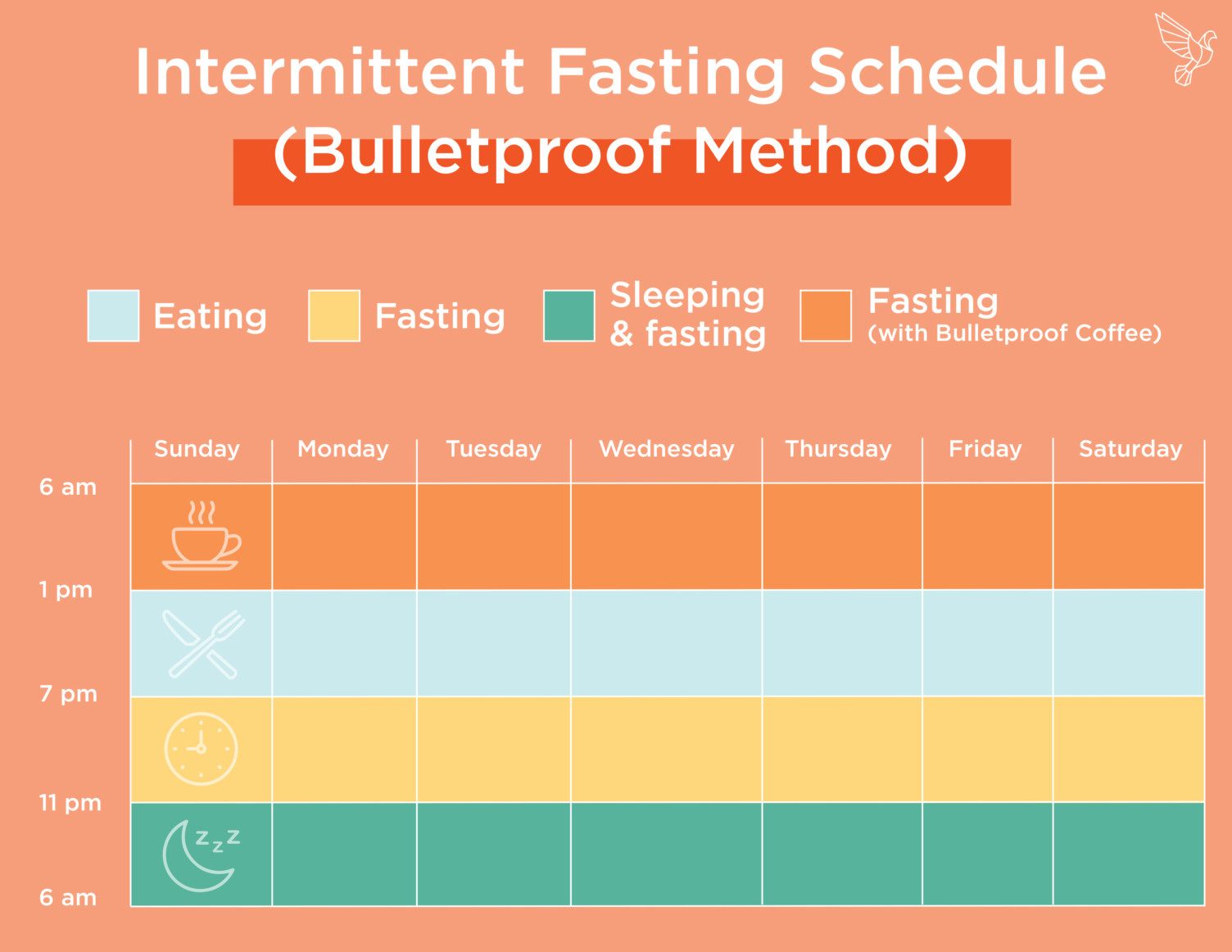
6. Sample Intermittent Fasting Schedule: A Day in the Life
Creating a daily schedule can make intermittent fasting easier to follow. Here’s a sample 16/8 fasting schedule to help you get started.
Sample Schedule:
- 8:00 AM: Start your day with water or black coffee (fasting begins).
- 12:00 PM: Break your fast with a balanced meal (e.g., grilled chicken salad with avocado).
- 3:00 PM: Snack on a handful of almonds and a piece of fruit.
- 6:00 PM: Enjoy dinner (e.g., baked salmon with roasted vegetables).
- 8:00 PM: Finish eating for the day (fasting begins again).
Why It Works: This schedule is easy to follow and allows for a variety of foods while keeping you within your fasting window. It provides a good balance of nutrition and structure, supporting your weight loss efforts.
Benefits of Intermittent Fasting Beyond Weight Loss
While weight loss is a primary goal for many, intermittent fasting offers additional health benefits that can enhance your overall well-being.
Improved Metabolic Health
Intermittent fasting can improve several markers of metabolic health, including insulin sensitivity, blood sugar levels, and cholesterol. These improvements reduce the risk of type 2 diabetes, heart disease, and other metabolic disorders.
Increased Longevity
Some studies suggest that intermittent fasting may extend lifespan by promoting cellular repair processes and reducing inflammation. While more research is needed, the potential longevity benefits are promising.
Enhanced Mental Clarity
Many people report increased mental clarity and focus while fasting. This may be due to the stabilization of blood sugar levels and the production of ketones, which provide a steady source of energy for the brain.
FAQs About Intermittent Fasting for Weight Loss
1. Is intermittent fasting safe for everyone?
Intermittent fasting is safe for most healthy adults, but it may not be suitable for people with certain medical conditions, pregnant or breastfeeding women, or those with a history of eating disorders. Consult your doctor before starting.
2. Can I drink anything during the fasting period?
Yes, you can drink water, black coffee, and herbal tea during fasting periods. Avoid drinks with calories, as they can break your fast.
3. Will intermittent fasting slow my metabolism?
No, short-term intermittent fasting can actually boost your metabolism. However, prolonged or extreme fasting may have the opposite effect.
4. Can I exercise while intermittent fasting?
Yes, many people successfully exercise while fasting. However, it’s important to listen to your body and adjust your routine if needed. Consider scheduling workouts close to your eating window for optimal energy.
5. How long does it take to see results?
Results vary, but many people start noticing changes in weight and energy levels within a few weeks. Consistency is key to achieving long-term results.
6. Can intermittent fasting help with stubborn belly fat?
Yes, intermittent fasting can help reduce belly fat, as it encourages the body to burn stored fat for energy, including fat around the abdomen.
7. Do I need to follow a specific diet while intermittent fasting?
No specific diet is required, but eating a balanced diet rich in whole foods, lean proteins, and healthy fats can enhance the benefits of intermittent fasting.
8. Is it normal to feel hungry during fasting?
Some hunger is normal, especially when you’re just starting out. Drinking water or herbal tea can help, and your body will likely adjust over time.
9. Can I take supplements while fasting?
Most supplements can be taken during fasting periods, but avoid those with added sugars or calories. Fat-soluble vitamins (A, D, E, K) should be taken with food.
10. What if I break my fast early?
If you break your fast early, don’t worry. Simply adjust your schedule and get back on track the next day. Consistency over time is more important than perfection.
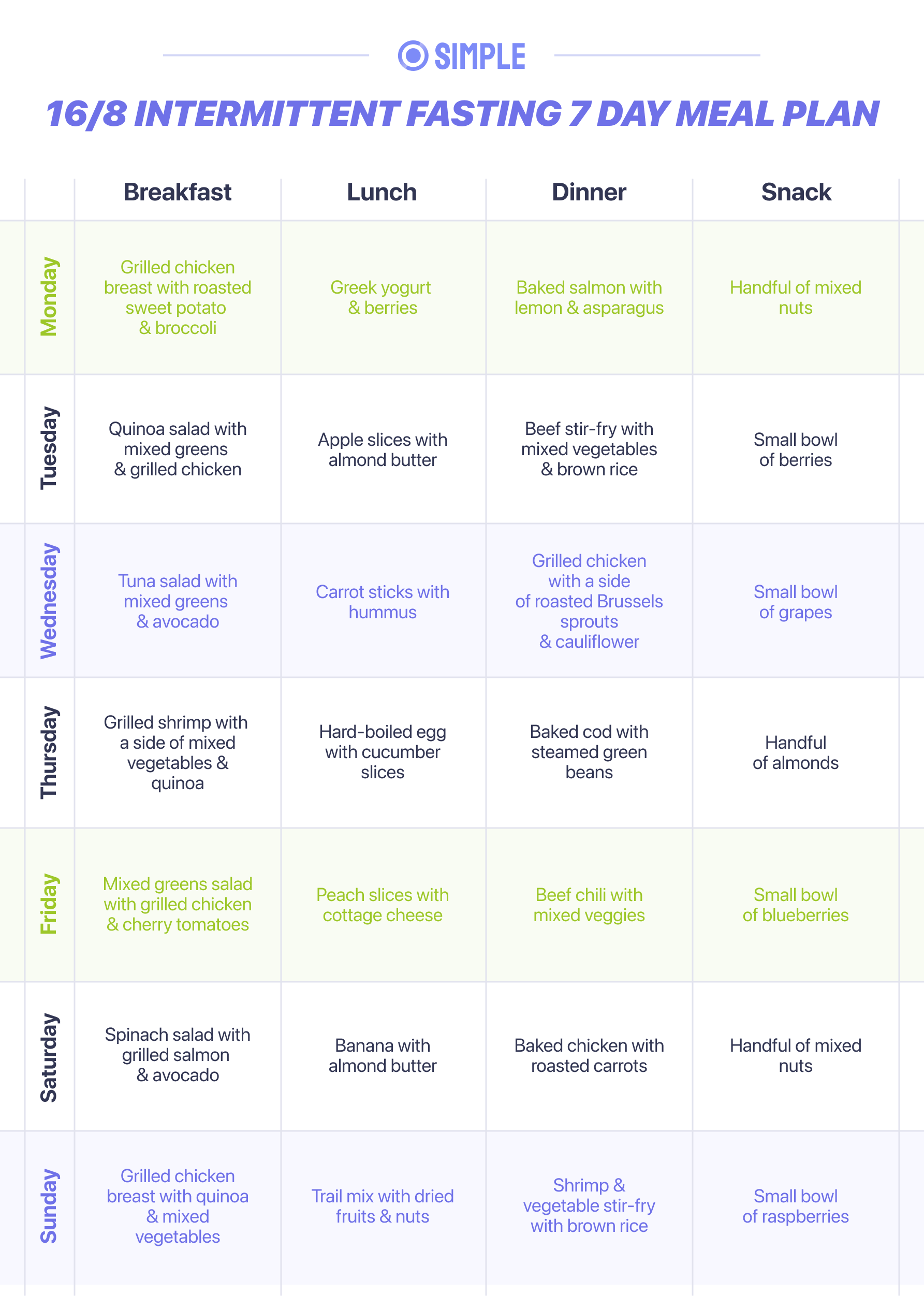
Sample Intermittent Fasting Meal Plan
Here’s a sample meal plan for a day following the 16/8 intermittent fasting method:
- 12:00 PM (First Meal): Grilled chicken breast with quinoa, mixed greens, and a side of avocado.
- 3:00 PM (Snack): Greek yogurt with mixed berries and a handful of walnuts.
- 6:00 PM (Dinner): Baked salmon with steamed broccoli and sweet potato.
- 8:00 PM (Final Snack): A small apple with almond butter.
This meal plan provides a good balance of protein, healthy fats, and fiber, supporting both satiety and weight loss.
Intermittent fasting is a flexible and sustainable approach to weight loss that offers numerous health benefits beyond shedding pounds. By understanding the basics, choosing the right method, and avoiding common pitfalls, you can successfully incorporate intermittent fasting into your lifestyle and achieve your weight loss goals.

 736×952
beginners guide intermittent fasting pursuit
736×952
beginners guide intermittent fasting pursuit
 736×1308
pin intermittent fasting women
736×1308
pin intermittent fasting women
 1504×1162
weight loss intermittent fasting plan manga
1504×1162
weight loss intermittent fasting plan manga
 736×1840
fasting day hour fasting plan intermittent fasting
736×1840
fasting day hour fasting plan intermittent fasting
 512×1024
intermittent fasting weight loss plan ultimate beginners guide
512×1024
intermittent fasting weight loss plan ultimate beginners guide
 1785×2526
intermittent fasting day meal plan simple
1785×2526
intermittent fasting day meal plan simple
 474×1257
weight training intermittent fasting
474×1257
weight training intermittent fasting
 1080×1350
pin healthy living
1080×1350
pin healthy living
 1024×885
biggest mistakes intermittent fasting bodyfast app
1024×885
biggest mistakes intermittent fasting bodyfast app
 658×1024
intermittent fasting work weight loss beginners guide
658×1024
intermittent fasting work weight loss beginners guide
 410×1024
fast acting intermittent fasting weight loss strategies libifit
410×1024
fast acting intermittent fasting weight loss strategies libifit
 683×1024
lose weight intermittent fasting good tips diet
683×1024
lose weight intermittent fasting good tips diet
 1154×648
intermittent fasting weight loss beginners guide lifehack
1154×648
intermittent fasting weight loss beginners guide lifehack
 736×1840
intermittent fasting schedule beginners lose weight
736×1840
intermittent fasting schedule beginners lose weight
 564×1128
intermittent fasting complete beginners guide healthy
564×1128
intermittent fasting complete beginners guide healthy
 600×900
pin intermittent fasting
582×960
types fasting fasting diet diet loss intermittent fasting diet
600×900
pin intermittent fasting
582×960
types fasting fasting diet diet loss intermittent fasting diet
 736×1212
images intermittent fasting pinterest bulletproof
736×1212
images intermittent fasting pinterest bulletproof
 1333×800
intermittent fasting workout routine eoua blog
1333×800
intermittent fasting workout routine eoua blog
 230×1024
ultimate guide intermittent fasting schedule flow pique
230×1024
ultimate guide intermittent fasting schedule flow pique
 600×900
pin metabolic intermittent fasting
600×900
pin metabolic intermittent fasting
 474×2112
beginners guide intermittent fasting flow pique
474×2112
beginners guide intermittent fasting flow pique
 600×1393
intermittent fasting beginners beginners guide intermittent
600×1393
intermittent fasting beginners beginners guide intermittent
 1000×600
ultimate guide intermittent fasting weight loss
1000×600
ultimate guide intermittent fasting weight loss
 564×928
days diets diet number intermittent fasting
564×928
days diets diet number intermittent fasting
 1280×720
lbs weight loss intermittent fasting manga
1280×720
lbs weight loss intermittent fasting manga
 512×1024
pin auf fasting
512×1024
pin auf fasting
 474×711
fasting plan lose weight burn fat fastingtoloseweight
474×711
fasting plan lose weight burn fat fastingtoloseweight
 1000×2196
intermittent fasting guelph natural health blog
1000×2196
intermittent fasting guelph natural health blog
 608×1080
pin tips
608×1080
pin tips
 800×1757
beginners guide intermittent fasting monk
800×1757
beginners guide intermittent fasting monk
 800×540
beginners guide intermittent fasting
800×540
beginners guide intermittent fasting
 800×2000
intermittent fasting weight loss work keitodecairesnawa
800×2000
intermittent fasting weight loss work keitodecairesnawa
 Intermittent Fasting 101: The Best Beginner's Guide | How To Cuisine
 Intermittent Fasting Food List & Printable PDF | Laura Fuentes
 💥Intermittent Fasting For Weight Loss By a Protocol.
 Pizza Weight Loss - ECOWAS
 Pin on Pins by you
 One Meal A Day Ketosis: Does One Meal A Day Put Your Body In Ketosis
 (PDF) Fasting: The History, Pathophysiology and Complications
 The Ultimate Beginner's Guide To Intermittent Fasting (1).pdf - Shared
 Pin by Diosmary Campusano on Intermittent fasting | Insulin resistance
 Pin on ☕︎ / 𝘮𝘺 𝘱𝘳𝘰𝘫𝘦𝘤𝘵𝘴
 The Benefits and Science of Intermittent Fasting: Weight Loss, | Course
 Discovering the Surprising Before and After: 30 Days of Intermittent
 Caloric restriction + intermittent fasting = superior weight loss results
 Intermittent Fasting A Guide
 Does Intermittent Fasting Work?
 Intermittent Fasting Weight Loss Calculator
 outline R&C.docx - 1 Intermittent Fasting: Weight Loss Improves Brain
 Intermittent Fasting Log, Matthew Fasting | 9781078497527 | Boeken
 💥Intermittent Fasting For Weight Loss By a Protocol.
 Intermittent Fasting 101
Intermittent Fasting 101
 Examining The Health Impacts of Intermittent Fasting A Comprehensive
 Health Facts, Health Info, Gut Health, Health And Nutrition, Fitness
 Intermittent Fasting and Weight Loss: The Ultimate Guide
 💥Intermittent Fasting For Weight Loss By a Protocol.
 Ready to dive into the article and present fasting as a pathway to
 Intermittent Fasting and | PDF | Intermittent Fasting | Fasting
 Free Printable Weight Loss Colouring Chart - ECOWAS
 The Victory Center | Cardiac Arrest From Weight Loss Drugs
 Intermittent Fasting
Intermittent Fasting
 HOW TO GET GREAT RESULTS WITH INTERMITTENT FASTING - WEIGHT LOSS COACH XY
 "Intermittent Fasting" Sticker for Sale by Livewell | Redbubble
 Fasting Weight Loss - Hudson County View
 Intermittent fasting
 Intermittent Fasting Cheat Sheet
 Intermittent Fasting Cheat Sheet


0 komentar:
Posting Komentar