

Choosing the right weight loss program can feel overwhelming, especially when there are so many options available. But did you know that your body type plays a crucial role in determining which program will work best for you? This beginner’s guide will help you understand how to choose the right weight loss program tailored to your body type, ensuring you get the most effective and sustainable results.
Understanding Your Body Type
What Is Your Body Type, and Why Does It Matter?
Before diving into weight loss programs, it’s essential to understand your body type. Your body type refers to your genetic predisposition to store fat and muscle. There are three main body types:
- Ectomorph: Lean and long, with difficulty gaining muscle.
- Mesomorph: Muscular and well-built, with a high metabolism and responsive muscle cells.
- Endomorph: Higher body fat percentage, with a tendency to store fat more easily.
Knowing your body type is crucial because it influences how your body responds to diet and exercise. For instance, an ectomorph may struggle with a weight gain program, while an endomorph might need a different approach to shed pounds effectively.
Matching Weight Loss Programs to Body Types
Finding the Right Fit: Programs Tailored for Ectomorphs, Mesomorphs, and Endomorphs
Now that you understand your body type, the next step is to match it with the right weight loss program.
Ectomorphs: If you’re an ectomorph, your focus should be on building muscle mass. Opt for a weight loss program that includes strength training with moderate cardio. Diet-wise, you’ll need a higher intake of healthy fats and proteins to support muscle growth.
Mesomorphs: Mesomorphs are often naturally athletic and respond well to a balanced combination of cardio and strength training. A well-rounded program that includes both will help you maintain a lean physique while burning fat. A balanced diet with a mix of proteins, fats, and carbs will work best.
Endomorphs: Endomorphs may find it harder to lose weight due to their tendency to store fat. A program focusing on high-intensity interval training (HIIT) combined with a low-carb, high-protein diet can help burn fat more effectively.
Each body type has unique needs, so it’s important to choose a program that aligns with your genetic makeup.
Considering Your Lifestyle and Goals
Lifestyle Matters: Aligning Your Program with Your Daily Life and Objectives
Choosing a weight loss program isn’t just about your body type; your lifestyle and personal goals are equally important. Ask yourself these questions:
What is your daily routine like? If you’re busy and constantly on the go, a program that requires several hours at the gym may not be practical. Look for flexible options, such as home workouts or programs that incorporate shorter, high-intensity sessions.
What are your weight loss goals? Whether you want to lose a few pounds, tone up, or drastically change your physique, your goals will dictate the kind of program you need. For example, if you aim for quick results, a more intense program might be necessary, but for sustainable, long-term results, a balanced approach works best.
What’s your diet like? Your program should align with your dietary preferences and needs. If you’re a vegetarian or have dietary restrictions, choose a program that offers flexibility in meal planning.
By considering your lifestyle and goals, you can ensure that the weight loss program you choose is sustainable and enjoyable, rather than something you dread every day.
Evaluating Popular Weight Loss Programs
A Look at Popular Programs: Which One is Right for You?
There are countless weight loss programs available, but not all are created equal. Here’s a quick overview of some popular programs and who they work best for:
Keto Diet: Best for endomorphs who respond well to low-carb diets. The focus is on high fat, moderate protein, and very low carbs to encourage fat burning.
Intermittent Fasting (IF): Suitable for mesomorphs and endomorphs. This program involves cycling between periods of eating and fasting, which can help regulate insulin levels and promote fat loss.
Paleo Diet: A natural diet that works well for mesomorphs and ectomorphs. It focuses on whole foods like meat, fish, fruits, and vegetables, avoiding processed foods and sugars.
HIIT Programs: Ideal for endomorphs and mesomorphs. High-intensity interval training combines short bursts of intense exercise with periods of rest, making it effective for fat burning and muscle building.
Strength Training: Essential for ectomorphs and mesomorphs who want to build muscle mass. Programs like weightlifting can help ectomorphs gain muscle and mesomorphs maintain a lean physique.
Evaluate each program based on your body type and lifestyle to find the one that best fits your needs.
Monitoring Progress and Making Adjustments
Stay on Track: How to Monitor Your Progress and Adapt Your Program
Once you’ve chosen a weight loss program, it’s important to track your progress. This will help you see what’s working and what might need adjustments.
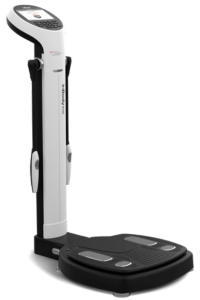
Regular Weigh-Ins: Keep track of your weight regularly, but don’t obsess over the scale. Weight can fluctuate due to water retention and other factors, so it’s just one measure of progress.
Body Measurements: Take measurements of your waist, hips, chest, and other areas to see how your body is changing. Sometimes, you’ll lose inches even if the scale doesn’t move much.
Progress Photos: Take photos every few weeks to visually track your changes. This can be incredibly motivating, especially when you compare photos over time.
Adjustments: If you’re not seeing the results you want, don’t be afraid to tweak your program. You may need to increase the intensity, adjust your diet, or try a different type of exercise.
Monitoring your progress allows you to stay motivated and make necessary changes to keep moving toward your goals.
Staying Motivated and Committed
Keep Going: Tips for Staying Motivated and Committed to Your Program
Sticking to a weight loss program can be challenging, but with the right mindset and strategies, you can stay on track:
Set Small, Achievable Goals: Break down your larger weight loss goal into smaller, more manageable milestones. Celebrate each achievement to stay motivated.
Find a Support System: Whether it’s a workout buddy, online community, or personal trainer, having support can make a big difference in your journey.
Focus on Non-Scale Victories: Pay attention to how your clothes fit, your energy levels, and how you feel overall. These victories can be just as important as the number on the scale.
Keep a Journal: Writing down your thoughts, challenges, and successes can help you stay focused and see how far you’ve come.
Reward Yourself: Treat yourself when you hit a milestone, whether it’s with a new outfit, a day off, or something else that makes you happy.
By staying motivated and committed, you’ll be more likely to achieve long-term success with your weight loss program.
FAQs About Choosing the Right Weight Loss Program for Your Body Type
How do I know my body type?
You can determine your body type by assessing your natural build, metabolism, and how easily you gain or lose weight. Consult a fitness professional if you're unsure.Can I combine different weight loss programs?
Yes, combining elements from various programs can be effective, especially if they align with your body type and goals.What if I don’t see results with my chosen program?
If you’re not seeing results, consider adjusting your diet, exercise intensity, or even trying a different program that may be better suited to your body type.Is diet more important than exercise for weight loss?
Both diet and exercise are important, but the right balance depends on your body type and goals. Some may need more focus on diet, while others benefit more from exercise.How long should I follow a weight loss program?
It varies, but consistency over at least 8-12 weeks is recommended to see noticeable results. After that, you can re-evaluate and adjust your plan.Can I lose weight without exercise?
While diet plays a significant role in weight loss, exercise is essential for overall health, muscle retention, and increasing metabolism.How often should I adjust my program?
Adjustments should be made based on your progress and how your body responds. Regularly assess every 4-6 weeks.What if my body type doesn’t fit perfectly into one category?
Many people are a mix of body types. Choose a program that addresses your primary characteristics and adjust as needed.Is it safe to follow a very low-calorie diet?
Very low-calorie diets can be effective short-term under medical supervision, but they’re not recommended for long-term weight loss due to potential nutrient deficiencies.Can stress affect my weight loss?
Yes, stress can impact weight loss by affecting your metabolism and eating habits. Incorporate stress-reduction techniques like meditation or yoga into your program.
A Weight Loss Program for Endomorphs
If you’ve identified as an endomorph, here’s a sample program to get you started:
Diet: Focus on a low-carb, high-protein diet. Include plenty of lean meats, fish, eggs, and vegetables. Avoid sugary snacks and processed foods.
Exercise: Incorporate HIIT workouts three times a week, with a mix of strength training and cardio. This could include exercises like squats, push-ups, and sprints.
Lifestyle Tips: Stay active throughout the day by taking short walks, using the stairs, and finding ways to move more. Aim for at least 7-8 hours of sleep per night.
This program is designed to help endomorphs burn fat effectively while maintaining muscle mass.
By understanding your body type, lifestyle, and goals, you can choose a weight loss program that’s tailored to your needs. This approach not only maximizes your results but also makes the journey more enjoyable and sustainable. Stay motivated, track your progress, and don’t be afraid to make adjustments along the way. Your perfect weight loss program is out there, just waiting for you to discover it.
 474×266
choose workouts body type inspirational weight
474×266
choose workouts body type inspirational weight
 400×1024
pin body type weight loss diet
400×1024
pin body type weight loss diet
 1080×1920
pin weight watchers
1080×1920
pin weight watchers
 798×536
weight loss programmes health nutrition
798×536
weight loss programmes health nutrition
 1022×1370
pin fitness
1022×1370
pin fitness
 736×991
body types body types health fitness body health
736×991
body types body types health fitness body health
 736×1104
pin weight loss challenges
736×1104
pin weight loss challenges
 900×600
choose weight loss program
900×600
choose weight loss program
 600×900
pin body type weight loss exercise
600×900
pin body type weight loss exercise
 1190×1423
weight loss program treatment regimen kolors
1190×1423
weight loss program treatment regimen kolors
 750×500
weight loss plan body type health
750×500
weight loss plan body type health
 1080×1920
pin yoga
1080×1920
pin yoga
 1278×1280
pin su endomorphmesomorph
1278×1280
pin su endomorphmesomorph
 736×458
body shapes hold key womans weight loss
736×458
body shapes hold key womans weight loss
 2550×3301
cost lean results desired effort infographic
2550×3301
cost lean results desired effort infographic
 1200×1200
choose weight loss program ezcare clinic
1200×1200
choose weight loss program ezcare clinic
 1024×1021
weight loss programs long island peak performance fitness
1024×1021
weight loss programs long island peak performance fitness
 640×832
pin health fitness
640×832
pin health fitness
 736×1308
pin body type weight loss motivation
736×1308
pin body type weight loss motivation
 736×736
diet plans body types healthfully diet exercise body
736×736
diet plans body types healthfully diet exercise body
 474×756
pin walking weightloss
474×756
pin walking weightloss
 650×1552
pin workout
650×1552
pin workout
 1024×1325
choose weight loss program powerpoint
1024×1325
choose weight loss program powerpoint
 1924×1528
awasome weight loss program ideas info tentang tempat wisata
1924×1528
awasome weight loss program ideas info tentang tempat wisata
 700×1050
choosing weight loss program mommys memorandum
700×1050
choosing weight loss program mommys memorandum
 600×1331
comprehensive guide choosing weight loss program
600×1331
comprehensive guide choosing weight loss program
 474×1164
pin fat loss workouts ideas
474×1164
pin fat loss workouts ideas
 4501×8530
pin beginner yoga workout fitness weightloss
640×712
weight loss program legacy clinic chiropractic
4501×8530
pin beginner yoga workout fitness weightloss
640×712
weight loss program legacy clinic chiropractic
 320×240
healthy tips choose weight loss meal plan works
320×240
healthy tips choose weight loss meal plan works
 474×954
lose weight based type body healthier
474×954
lose weight based type body healthier
 700×700
weight loss programmes suit body type
700×700
weight loss programmes suit body type
 1080×1080
ultimate guide choosing weight loss program
1080×1080
ultimate guide choosing weight loss program
 850×446
physically fit normal isabelina
850×446
physically fit normal isabelina
 474×383
body measurements weight loss intermittent fasting
474×383
body measurements weight loss intermittent fasting
 Fillable Online How To Choose The Right Weight Loss Solution - Roya Fax
 PPT - What is the Phatt Diet Plan Weight-loss Program PowerPoint
 Calaméo - Official Weight Loss Program
 Pin on Fitness
 Pin on Sayings
 PPT - Dress According to Your Body Type-Body Shape Explained PowerPoint
 10 Powerful Weight Loss Bible Verses You Might Not Know
 SOLUTION: Weight loss and your body type - Studypool
 Calaméo - The Best Weight-Loss Program
 Celebrate your weight loss as you lose every pound until your ultimate
 The Sacred Heart Diet: Pros, Cons, and How It Works - Quick weight loss
 Best weight loss program book. If You Want To Lôse Weight, Eat 5 Times
 Weight Loss Program Patient Information Form printable pdf download
 Effectiveness of a Weight-Loss Program Evaluation | Desklib
 Pin on Bullet Journal
 Pin on Printables - Health & Fitness
 Best Weight Loss Plan, Quick Weight Loss Tips, Weight Loss Help, Weight
 Pin on สมุดบันทึก
 Pin on Fud For Thot
 Weight loss motivation quotes – Artofit
 앨범 보관함 - спущенное плечо. Easy Weight Loss, Weight Loss Program
 Get Fit And Look Good And Be Your Best Weight Loss Meal Plan, Weight
 Calaméo - Weight management - Selecting The Right Weight Loss Program
 Weight Loss Program Assignment - Tagged - Evaluating Weight Loss
 Pin on FIT Bits
 #FastestWayToLoseWeightIn2Weeks Quick Weight Loss Tips, Weight Loss
 SOLUTION: Weight loss success results from finding the right balance of
 Medical Weight Loss Doctor · Fairfax, VA
 777healthcare.com Most Effective Weight Loss Program
777healthcare.com Most Effective Weight Loss Program
 Weight Loss Program - 720 Words | Research Paper Example
 Medically Managed Weight Loss Program Mt Pleasant
Medically Managed Weight Loss Program Mt Pleasant
 Weight loss Program progress sheet
Weight loss Program progress sheet
 Ashley Ate 6 Times a Day, Did CrossFit 6 Times a Week, and Completely
 SOLUTION: weight loss procedures cheat sheet - Studypool
 SOLUTION: weight loss procedures cheat sheet - Studypool


0 komentar:
Posting Komentar